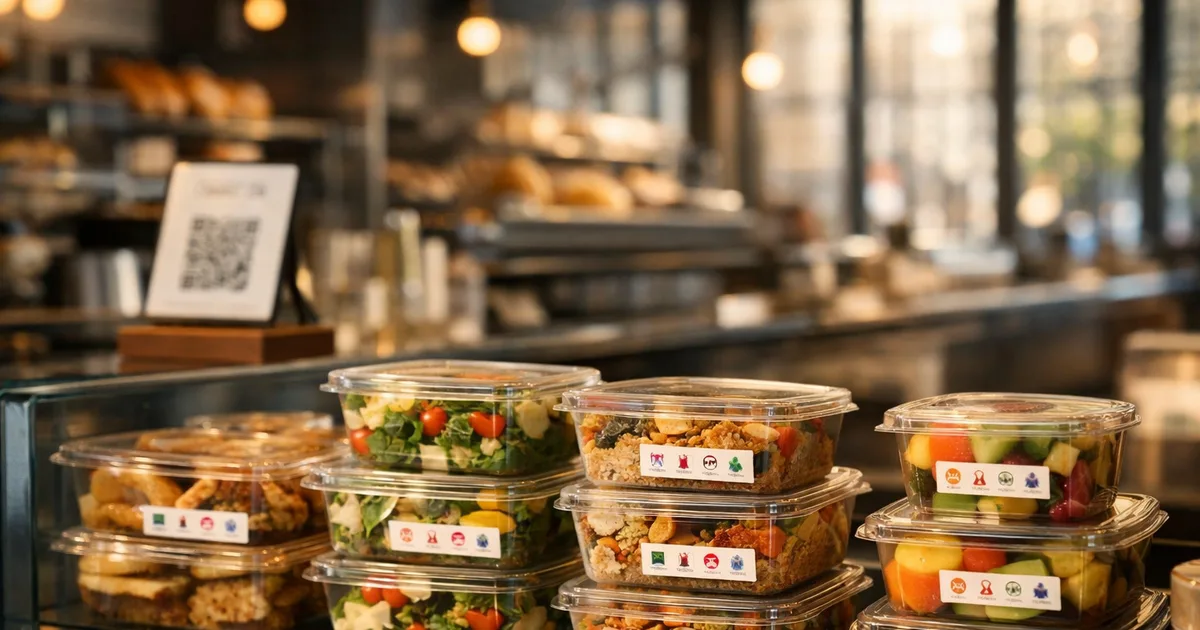
Are Restaurants Ditching QR Menus? What the 2026 Data Really Says
Are restaurants really ditching QR menus? Some are — and the backlash is genuine. But dig into the 2026 data and a clearer picture emerges: guests aren't rejecting QR codes, they're rejecting clunky PDFs. Done right, QR menus get scanned 73% of the time and quietly outperform paper. Here's the balanced, data-backed take.

The Headline vs. the Reality
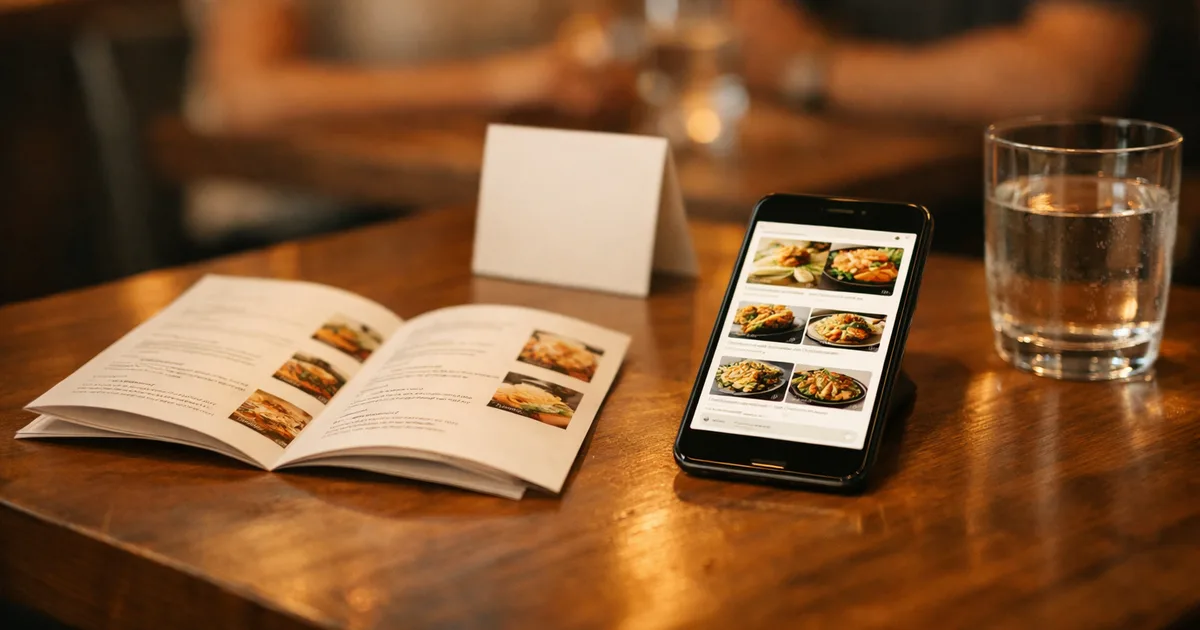
Search “are restaurants ditching QR menus” and you’ll find a wave of confident obituaries. In May 2024, the New York Post ran a widely syndicated piece declaring that restaurants are ditching “tacky” QR codes and bringing back paper menus after a customer backlash (New York Post via Yahoo Lifestyle, 2024). The same week, PYMNTS reported that operators were reintroducing printed menus in response to complaints (PYMNTS / Paytronix, 2024).
So is the QR menu dead? Not quite. The backlash is real — but it’s also narrower than the headlines suggest. When you separate the noise from the numbers, a more useful picture emerges: guests aren’t rejecting QR codes. They’re rejecting bad QR menus. And the gap between a good one and a bad one turns out to be enormous.
This is a deliberately balanced look at the evidence — the case against QR menus and the case for them — so you can decide what actually belongs on your tables in 2026.
TL;DR
- 📰 The backlash is real but narrow. The “switching back” stories are mostly about poorly executed QR menus — slow PDFs, tiny text, dead links — at venues with older clientele.
- 📉 Sentiment dipped on bad UX. In 2024, only 31% of consumers felt positively about QR menus, and one group saw 10% lower check averages because diners couldn’t scroll the whole menu.
- 📈 Done right, QR wins. A QR with a clear “scan for menu” label is scanned 73% of the time versus 34% unlabelled, and branded codes pull about 30% more scans.
- ✅ The verdict: the question isn’t “paper or QR?” — it’s “is your QR menu good or bad?” A mobile-first menu beats both a clunky PDF and a static printed card.
What the Data Actually Shows
Let’s start with the uncomfortable part, because a balanced take has to.
The skepticism is measurable. A William Blair consumer survey found that 47% of diners were not comfortable using QR codes to view menus, order, and pay — and that discomfort climbed steeply with age, reaching 65% among guests over 60 (Restaurant Dive, 2023). By 2024, PYMNTS Intelligence and Paytronix found that only 31% of consumers felt positively about viewing menus via QR codes at restaurants (PYMNTS / Paytronix, 2024).
There’s even a revenue angle. The same PYMNTS reporting cited a restaurant group that saw a 10% drop in average check size with QR menus, because diners often failed to scroll through the entire menu and simply ordered less.
That last figure is the tell. Notice why the checks fell: not because the QR code offended anyone, but because the menu behind it was hard to scroll. The problem wasn’t the doorway. It was the room behind the door.
Why Some Restaurants Genuinely Reverted
Credit where it’s due — the venues bringing back paper usually had real reasons. Being honest about them is the whole point of this piece.
Most early “QR menus” were just a PDF behind a code. On a phone that means pinch-zooming, sideways scrolling, and squinting — a genuinely worse experience than paper.
At restaurants with an older crowd, discomfort runs as high as 65%. A fine-dining room full of regulars over 60 is a poor fit for a phone-only menu.
Some operators decided a printed menu handed over by a server simply felt more like hospitality — and at a certain price point, that matters.
Dead phone batteries, bad signal, and the awkwardness of staring at a screen mid-conversation are real frustrations the early QR rollout ignored.
When the New York Post quoted a Manhattan restaurant COO saying QR-only menus were “starting to alienate people,” he wasn’t wrong about his guests (New York Post via Yahoo Lifestyle, 2024). The mistake of the early QR era wasn’t the technology — it was treating a scanned PDF as a finished product and forcing it on everyone, including the people it served worst.
So if your only experience of QR menus is a blurry PDF at a steakhouse full of regulars, going back to paper was the right call. But that’s not the whole story.
Why QR Menus Win — When They’re Done Right
Here’s the part the obituaries skip. The same period that produced the backlash also produced the data showing how well QR menus perform when they aren’t garbage.
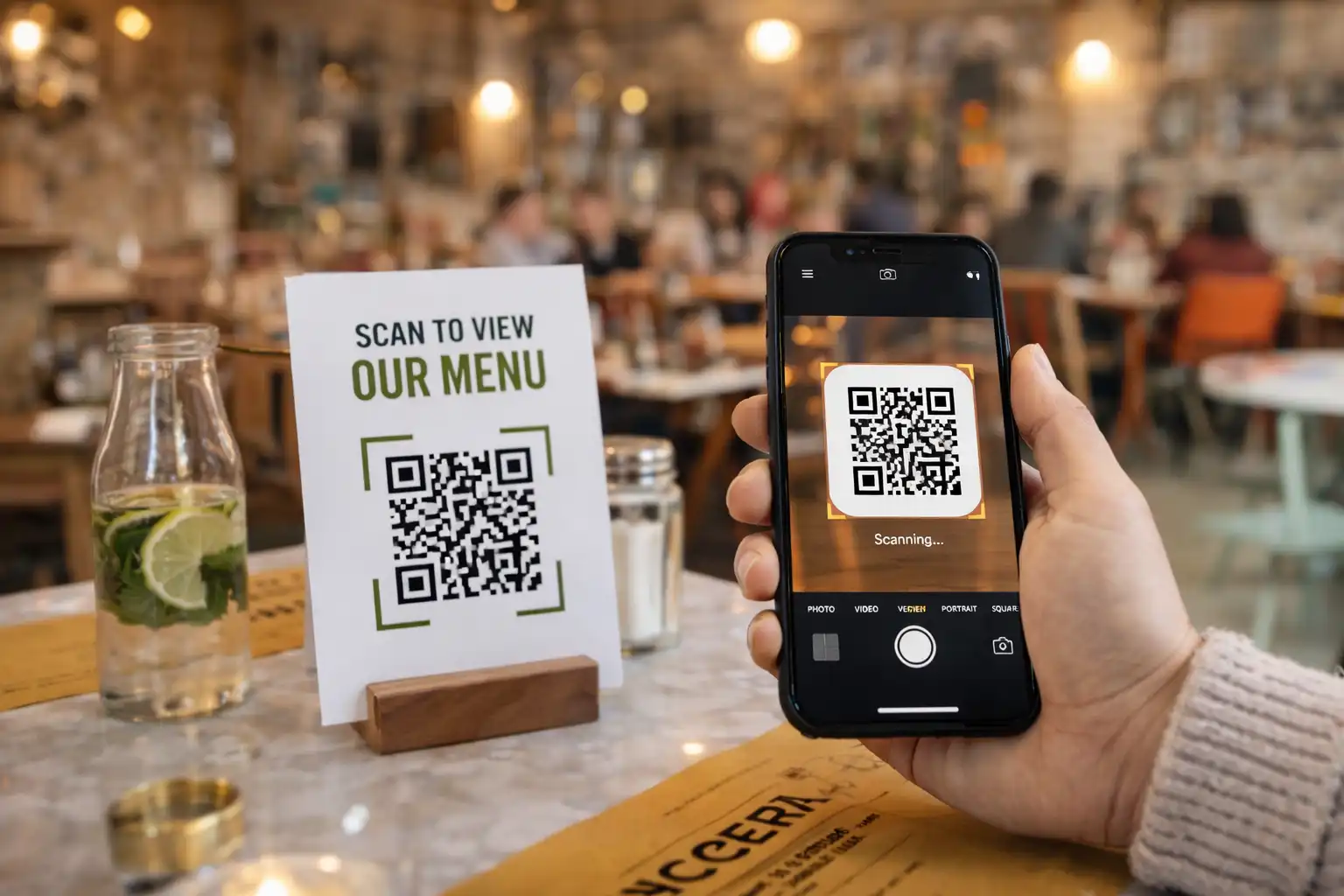
Analysis of adoption data across 10,000+ independent restaurants (2020–2025) found a striking pattern: a QR code with a clear, specific prompt — a small table card reading something like “Scan for menu — updated daily, allergens included” — was scanned 73% of the time, versus just 34% for an unlabelled code sitting alone on the table (EasyMenus, 2025). More than double, from one design change.
Design compounds it. Branded codes — your logo, your colours, instead of an anonymous black square — earn roughly 30% higher scan rates than plain ones, because a code that looks like you reads as trustworthy rather than like phishing (Supercode, 2026).
But scan rate is just the door. The reason a well-built QR menu pulls ahead of paper is what it can do that a printed card never could.
What Do QR Code Menus Actually Provide for Guests?
This is the question worth asking, because it reframes the whole debate. A good QR menu isn’t “paper, but on a screen.” It’s a different product:
Text that fits the screen, taps that work, photos that load — no zooming, no downloads, no app. This single fix erases most of the original complaints.
A tourist can read your menu in their language instantly. No printed translation can do that, and for tourist-heavy cities it’s a real edge — see QR menus for London restaurants.
Per-dish allergen and dietary info a guest can filter for themselves — clearer and safer than a server reciting it from memory.
Sold out of the special? Price changed? The menu updates the instant you do, so no guest ever orders something you can’t serve.
People order with their eyes. A printed card can’t show every dish; a digital menu can, which nudges the average ticket up instead of down.
You can finally see which dishes get viewed and which get ignored — and re-engineer the menu around it.
None of this is available from a laminated sheet — or from a PDF, for that matter. The full breakdown lives in our guide to the real benefits of QR code menus.
Good vs. Bad: What Separates the Two
The entire “are restaurants ditching QR menus?” debate collapses once you stop comparing paper vs. QR and start comparing good vs. bad.
| ❌ Bad QR menu (the kind being ditched) | ✅ Good QR menu (the kind that wins) | |
|---|---|---|
| What’s behind the code | A static PDF | A live, mobile-first web menu |
| On a phone | Pinch, zoom, scroll sideways | Fits the screen, scrolls naturally |
| The code itself | Anonymous black square, no label | Branded, with a clear “scan for menu” prompt |
| Languages | One | The guest’s own |
| Allergens | Buried or absent | Filterable, per dish |
| Updates | Reprint or live with it | Instant |
| Fallback | QR-only, take it or leave it | QR and paper on request |
That last row matters more than any stat. The smartest operators didn’t pick a side — they went hybrid: a great digital menu as the default, with a printed copy available for the guest who’d rather have one. Nobody is forced. The 65%-uncomfortable older diner gets paper; the tourist gets their language; you get the analytics and the instant updates either way.
If you want to see how fast a good one comes together, here’s a comparison of physical and digital menus — and a related read on whether customers actually hate QR menus (spoiler: they hate the PDF, not the code).
Frequently Asked Questions
Some are — and the reporting is real. But look closely and almost every “switching back” story involves a poorly executed QR menu (usually a PDF) at a venue with an older clientele. Restaurants with well-built, mobile-first menus are not the ones reverting. The trend is a correction against bad implementation, not a rejection of the technology.
Three honest reasons: the menu behind the code was a clunky PDF that was painful on a phone; their guests skewed older (discomfort with QR menus reaches 65% among diners over 60); and at higher price points, a printed menu handed over by a server feels more like hospitality. All valid — and all solvable without going fully back to paper.
A menu that fits their phone with no app or download, instant translation into their own language, filterable per-dish allergen information, photos of every dish, and a menu that’s always current. A printed card can’t do any of that. That’s why a good QR menu can outperform both a PDF and paper.
In at least one documented case, yes — one group saw roughly a 10% drop in average check size, because diners couldn’t easily scroll the whole menu and ordered less (PYMNTS / Paytronix, 2024). But that’s a layout failure, not a QR failure. A menu designed for phones — with photos and clear categories — tends to push the average ticket up, not down.
Go hybrid. Make a clean, mobile-first digital menu your default, label the code clearly, brand it, and keep printed copies on hand for guests who prefer them. You capture the upside (languages, allergens, instant updates, analytics) without alienating anyone.
Unlikely. The technology that frustrated people — slow PDFs — is being replaced by genuinely better mobile menus, and adoption data shows scan rates climb sharply when the experience is good. What’s disappearing is the bad QR menu, not the QR menu.
The Balanced Verdict
So, are restaurants ditching QR menus? A few are — and where the QR menu was a slow PDF forced on an older crowd, they were right to. That part of the backlash is earned, and pretending otherwise would be dishonest.
But the data doesn’t support an obituary. Strip away the bad implementations and the picture flips: a clearly labelled, branded, mobile-first menu gets scanned more than twice as often as a lazy one, gives guests things paper never could, and lifts the average ticket instead of sinking it. The venues “switching back” aren’t proof QR failed — they’re proof that bad QR failed.
The real question was never “paper or QR?” It’s “is your QR menu good or bad?” Get that right — mobile-first, branded, multilingual, with paper still available for anyone who wants it — and you’re on the winning side of the only comparison that matters.
For the full playbook on building one the right way, start with our complete guide to QR code menus for restaurants.
Try ShevaFood for 14 days
Sources
- Restaurants Reintroduce Paper Menus Amid Customer Complaints About QR Codes — PYMNTS Intelligence / Paytronix , 31 May 2024
- Restaurants are ditching 'tacky' QR codes and bringing back paper menus after customer backlash — New York Post (via Yahoo Lifestyle) , 31 May 2024
- Study: 47% of consumers not comfortable using QR codes in restaurants — Restaurant Dive (William Blair survey) , 19 April 2023
- QR Code Menu Statistics: Real Adoption Data From 10,000+ Restaurants — EasyMenus , 2025
- QR Code Customer Feedback Strategies (2026) — Supercode , 10 March 2026
Related Articles
Do Customers Hate QR Code Menus? What Restaurant Owners Get Wrong
Virginia's Updated Allergen Rules Are Live — Sesame Added and QR Codes Approved for All Food Establishments