Do Customers Hate QR Code Menus? What Restaurant Owners Get Wrong
Worried customers hate QR menus? The real issue isn't the QR code itself — it's bad user experience. Discover the 5 critical mistakes restaurant owners make and how to avoid them.

The Truth Behind QR Code Menus
If you’ve ever hesitated to use a QR code menu because you’re worried customers will hate it, you’re not alone.
Many restaurant owners quietly wonder:
- Do customers like QR menus?
- Will guests complain?
- Are QR menus hurting the dining experience?
The concern is understandable. No one wants customers to feel frustrated at the table.
But here’s the truth:
- Customers don’t hate QR menus.
- They hate bad menu experiences.
Once you understand where the frustration really comes from, everything starts to make sense.
Customers Don’t Hate QR Codes, They Hate PDF Menus
Let’s clear something up.
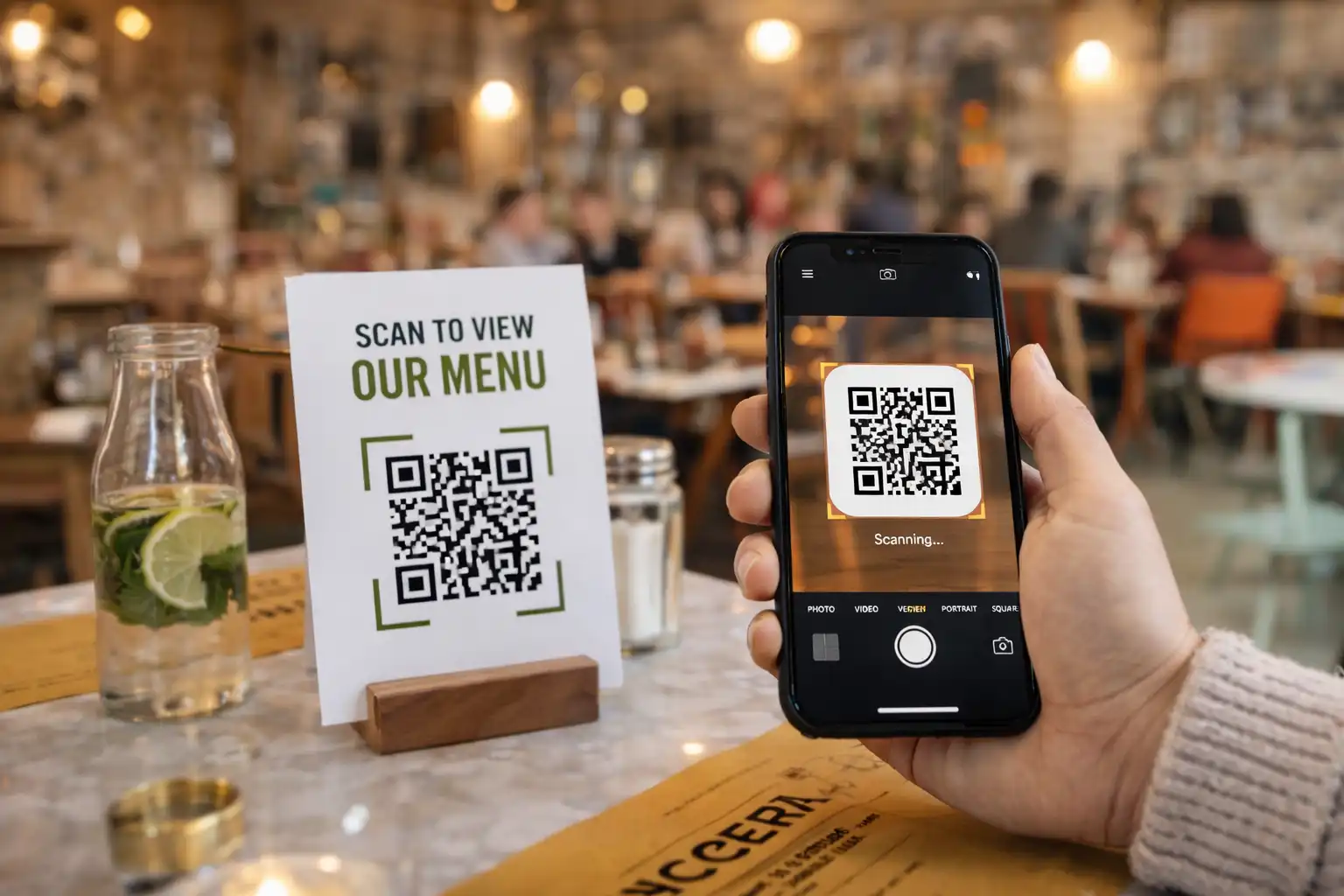
Restaurant customers don’t hate using QR codes. What they dislike is what often happens after the scan.
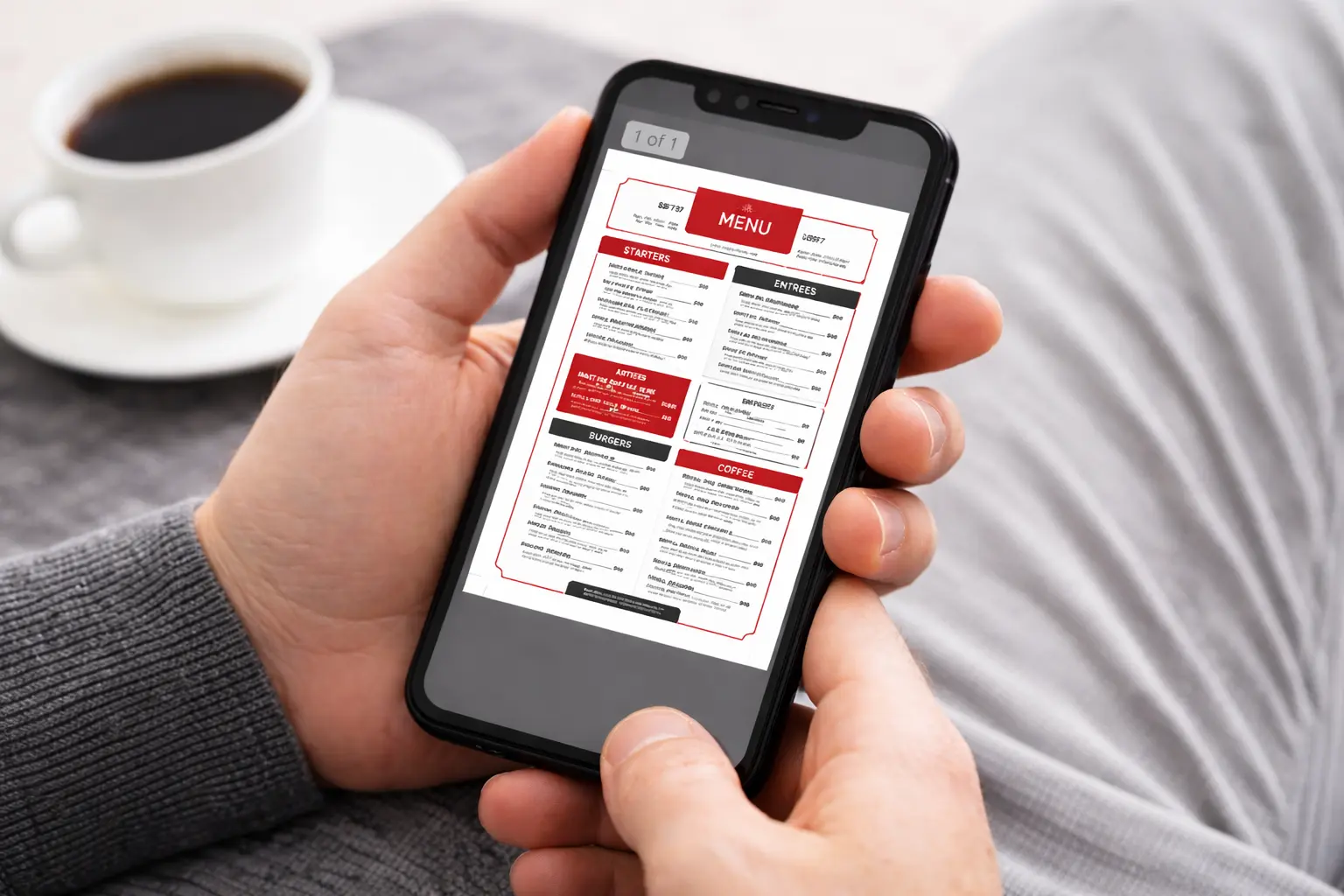
QR stands for quick response. But in many restaurants, the experience is anything but quick. Customers scan the code, get redirected to a PDF, wait for it to download, search for it on their phone, and then struggle to read it. They pinch to zoom, scroll left and right, rotate the phone, and try to make sense of a menu that was never designed for a small screen.
By that point, they’re no longer thinking about your food or your service.
They’re thinking:
Why is this so hard?
So when customers say I hate QR menus, what they usually mean is:
I hate struggling to read a menu on my phone.
The problem isn’t the QR code.
It’s the PDF menu at the end of the journey.
So Do Customers Like QR Menus?
Yes, when the experience feels right.
Customers generally like QR menus when the menu opens instantly, is easy to read on a phone, doesn’t require downloading anything, and feels natural from the first second.
This is why the real question isn’t just do customers like QR menus?
It’s:
Does the menu feel easy from the moment it opens?
When it does, resistance fades quickly.
But What If the End of the QR Menu Journey Wasn’t a PDF?
This is where things change.
Imagine a different experience.
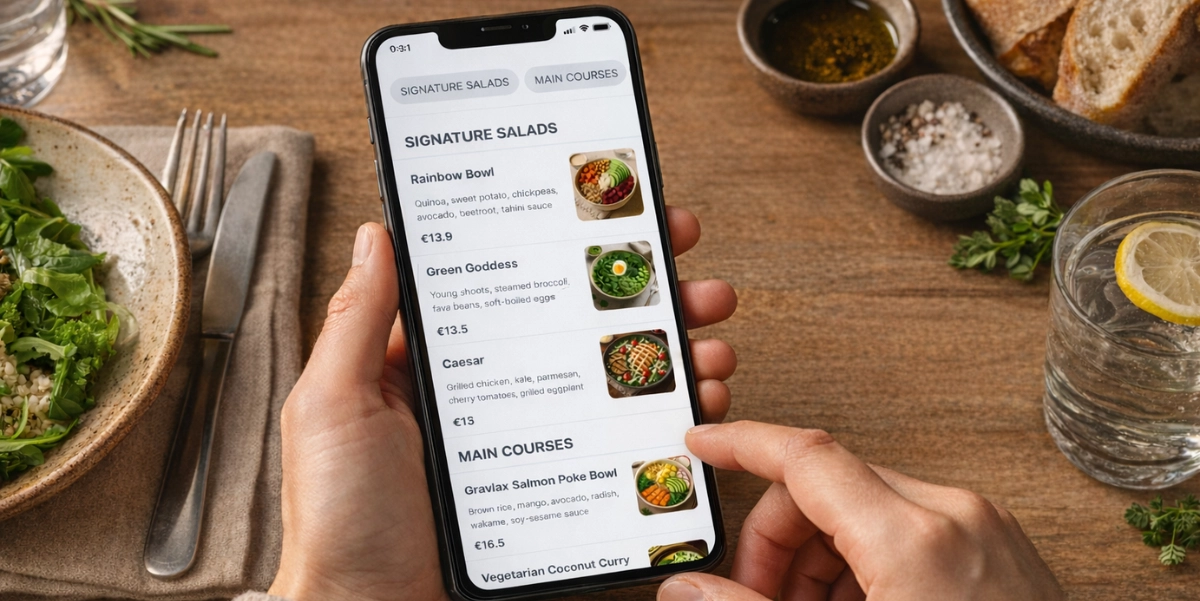
A customer scans the QR code and the menu opens immediately in their browser. The text fits the screen. Scrolling feels natural. Categories are clear. Prices are easy to find. No zooming. No downloads. No friction. No app download necessary.
Suddenly, the QR code isn’t the problem anymore.
It’s actually helpful.
QR menus don’t fail because customers dislike technology. They fail when the menu itself isn’t designed for phones.
The Better Question to Ask as a Restaurant Owner
At this point, the focus should shift.
Instead of asking:
- Do customers hate QR menus?
A better question is:
Are we making the menu easy for our customers?
Because customers don’t judge the tool.
They judge how it feels to use it.
If the menu is clear, readable, and simple, most customers are happy whether it’s paper or digital.
Turning Insight Into Action
Once the problem is clear, the solution becomes simpler too.
The goal isn’t to use QR codes.
The goal is to stop using menus that don’t work on phones.
That’s where tools like Shevafood come in. They are built around one simple idea. Menus should be easy for customers first.
That means:
✅ Menus designed for mobile screens, not PDFs
✅ No apps or downloads for guests
✅ Clean, readable layouts
✅ Fast setup for restaurant owners
✅ The option to keep paper menus alongside QR
Nothing is forced.
You stay in control of the experience.
Final Thought
QR menus aren’t about replacing tradition.
They’re about removing unnecessary frustration.
When menus are easy, customers relax.
When customers relax, service feels better.
That’s what really matters.